
Port & Terminal Automation
Automated gate capture and yard moves feeding the terminal operating system — delivered with partners.
The problem it solves
Port projects fail for organisational reasons far more often than technical ones. The technology is the straightforward part; the customs process, the TOS vendor and the concession agreement are not.
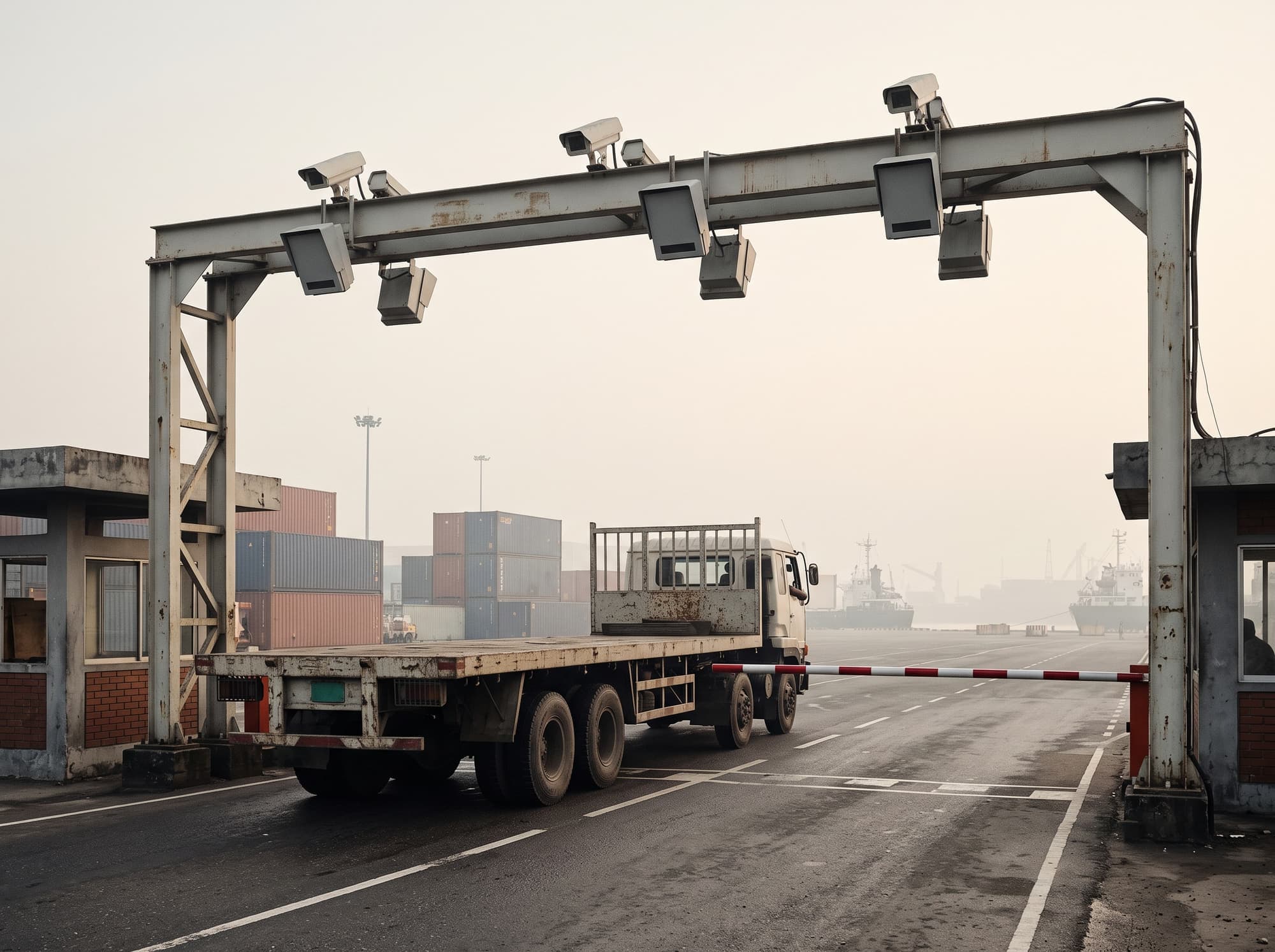
Gate automation is the highest-value entry point. Capturing container identity, truck and timestamp automatically removes the manual gate transaction that sets the throughput ceiling for the whole terminal, and it produces the data integrity everything downstream depends on.
We will be direct about scope here: for terminal sites we recommend partner-led delivery. The integration surface spans TOS, customs and often a concession authority, and the honest position is that RATS BD supplies the RFID layer and local engineering within a consortium rather than presenting as prime contractor on a system of that complexity.
The workflow
Four steps, in this order. A step out of sequence is a broken process, not a variation.
- 01
Gate capture
Container and vehicle identity, direction and timestamp are captured automatically at the lane.
- 02
Yard placement
Craneborne and yard readers record placement, so the TOS position reflects reality rather than intent.
- 03
Load and unload
Moves are logged against the vessel and the stow plan as they happen.
- 04
Customs and departure
Events feed customs milestones and the gate-out record closes the terminal's chain of responsibility.
What it is
made of
Four layers, in the order data moves: a tag is read, the read becomes an event, a rule decides what it means, and a business system acts on it.
- 01
Tags
What carries the identity
- Rugged container tags where a tagging regime exists
- Vehicle tags for trucks and terminal equipment
- Equipment tags for handling plant
- 02
Readers & edge
What turns presence into an event
- Gate lane gantries
- Craneborne and gantry-mounted readers
- Yard readers on lighting columns and posts
- Edge gateways for protocol translation
- 03
Platform
What decides what the event means
- Event normalisation and deduplication at scale
- TOS event feed
- Customs milestone events
- Equipment and lane performance reporting
- 04
Integrations
What acts on the decision
- TOS
- Customs systems
- Gate operating system
What we supply
- 01
Gate lane gantry
Reads at traffic speed across a full lane, in an environment of moving steel. The read window is short and the tolerance for a miss is low, which is why lane geometry is engineered rather than estimated.
- Full-lane, traffic-speed capture
- IP66 marine-grade enclosures
- Integrated with barrier and camera
- Redundant read paths per lane
- 02
Edge gateway
Translates between reader protocols and the terminal's systems, and buffers through the link interruptions that a large outdoor site guarantees.
- Multi-protocol translation
- High-throughput deduplication
- Store-and-forward buffering
- TOS interface adapters
What to expect
Ranges, not single flattering figures. Baselines are captured for four to eight weeks before a pilot starts, so the delta is measured rather than claimed.
- Gate transaction
- Automated capture
- Throughput
- Higher per lane
- Data integrity
- Event-sourced
- Customs milestones
- Timestamped
What to plan for
Every module has a failure mode. These are the ones that actually bite on this one, and what we do about them — because finding out later costs more than knowing now.
- Terminal complexity spans TOS vendors, customs authorities and concession governance — dependencies well outside any single supplier's control.
- Partner-led delivery with milestone governance and a defined scope boundary. RATS BD supplies the RFID layer and local engineering inside a consortium; we do not present as prime on the full terminal system.
Your existing systems
- TOS
- Customs
- Gate systems
Where it earns its keep
- Terminal operators modernising gate operations
- Ports where the manual gate transaction caps throughput
- Operators needing timestamped customs milestones
Before you
buy
The things operations directors actually ask on the first call.
Can RATS BD deliver a full terminal system?
Not as prime, and we would rather say so now than discover it at integration. We supply the RFID layer, the local RF engineering and ongoing service inside a partner consortium — that is where we add value and where our accountability is real.
Does this need every container tagged?
No. Gate automation delivers value using vehicle and equipment tagging plus optical container identity. A container tagging regime is a bigger programme requiring shipping-line participation, and it is a separate conversation.
What is a realistic first phase?
One gate lane, fully instrumented and measured against the manual baseline. It proves the throughput case and the data integrity before anything is committed yard-wide.
The rest of logistics
Let's design theright system foryour floor
- Call+880 1713 819528 · 01713 222558
- Emailservice@ratsbd.com
- VisitGround Floor, House-7, Road-13, Sector 14, Uttara, Dhaka-1230
Get your quote
Tell us your store type and city. A specialist surveys your floor, recommends the exact system and sends a clear quote — no obligation.
Request a quote Chat on WhatsApp